What started off as sort of a jokey post on Facebook and Instagram has sort of taken on a life of its own. First, a bit of background. Every year, the Basque town of Senpere hosts an event called Herri Urrats. It is a fund-raising initiative to support Basque-language education in the three Basque provinces in French territory - Lapurdi, Nafarroa Beherea and Zuberoa. It has been held every year since 1983, and I have had the good fortune to attend several times over the years. This year three friends of mine expressed their interest in attending on Sunday, 10 May 2026, so I took the opportunity to join in. Begotxu, Robin, Joan and I set off from Zarautz and once at the venue, spent the day walking around the lake, enjoying music, traditional dances, zanpanzar processions, sagarnoa, txistorra, odolkia, taloa and everything else on offer at this grand festival. While watching an excellent performance by Mirua in a drenching downpour, Begotxu's ankle, which was already in a delicate state from an incident from the day before, was getting worse and so she decided to visit the Red Cross tent to see what could be done. After seeing how swollen and discoloured her ankle was, the paramedics decided to take her to a radiology clinic in Donibane-Lohitzune.
X-rays were taken, a doctor assessed the results, and a prescription was issued: a boot, crutches, painkillers and anti-inflammatory medicine were in order. Now the challenge is finding a pharmacy late on a Sunday. The French system is basically to contact the local police station, and they will contact the pharmacist on call and send you to that location. Here's where my Instagram/Facebook post comes in:
Lau hizkuntzen istorio bat/Un conte de quatre langues/Historia de cuatro lenguas/A Tale of Four Languages
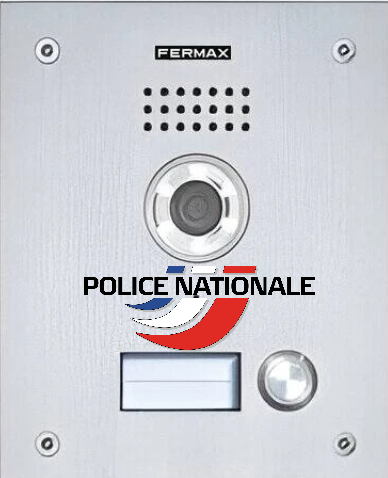 Gauza bitxi bat pasatu zait atzo iparraldean. Nere lagun bat bere orkatila «pixkat» apurtu zuen, eta igande batean farmazia bat bilatu behar genuen. Frantziako sisteman, ordutik kanpo farmaziak erabiltzeko, bertako komisaldegirekin hitz egin behar da, eta beraiek antolatzen dute farmaziarako bisita.
Komisaldegira joan, eta interfonoan jarri nintzen.
Moi: «Bonsoir, nous cherchons une pharmacie d’urgences »
Je suppose que le gendarme percevait mon accent ou des erreurs de grammaire.
So he responded in English, asking to see the papers via the intercom camera. We had a hard time understanding each other as he didn't know the word for "closer" to the camera (I wasn't sure what he meant when he kept repeating the word "more") and so he switched to Spanish.
Así que su siguiente pregunta fue:
«¿Dónde vives?»
«En Gipuzkoa.»
«En Gipuzkoa, ¿donde?»
«En Zarautz.»
«¿En España?»
Y se me ocurrió decirle: «Hombre, si lo quieres llamar así...»
... ...
Eta frase horrekin, bonbilla bat piztu zen bere buruan:
«Euskara badakizu?»
Nik: «Bai...»
«Bale, farmaziaren helbidea da - apuntatu mesedez - hemeretzi, Larramendy...»
Nere mugikorrean teklatzen ari nintzen eta helbide agertu zen: «19, Avenue Pierre Larramendy?»
«Horixe!»
«Mila esker, agur!»
Gero farmazeutorekin gauza bera, baina euskaraz ez zuenez hitz egiten, ingelera eta gaztelerako nahasketan ari ginen.
Pero aquí hay una especie de moraleja, y así tengo una respuesta para aquellos que dicen que con el euskera no vas a ninguna parte. En mi caso, ha sido el idioma que tenía en común con un gendarme francés, y ya sido la forma de entenderme con él para buscar lo que necesitaba.
Summary
Perhaps you didn't understand that entire language salad, and can't be arsed cutting and pasting into a translation site, so here's a little summary. Essentially, I started off in my very rusty French. I haven't practiced in a while, and the gendarme on duty picked up on that, so he switched the conversation to English.
He was really struggling to be understood in English, at which point we switched to Spanish. Something in what I said tipped him off to the fact that I just might speak Basque as well.
Here's where politics and linguistic policy start to come into play. The French state traditionally has made the French language the sole supported and official language, pretty much leaving other languages such as Basque, Breton, Catalan and Corsican (all of which are spoken on French territory) to their own devices. Spain's history with languages other than Castilian Spanish is a bit more complicated. Basque, Catalan and Galician have official status, at least in areas where they are spoken, and you'll even see central government websites for postal and consular services in these languages, but the last thing that I would ever expect would be to address a member of Spanish police forces in the Basque language. I won't delve into possible consequences, my own personal experiences or the experiences of others, but suffice it to say that it's just not done. So to have the French equivalent to initiate a conversation in Basque was remarkable enough for me to come up with my cheeky post, while offering a rebuttal to those who posit that learning Basque is a useless endeavour.
Radio interview
The last thing that I expected was for my post to go viral to the tiny extent that it did. The day after posting on social media, I got a phone call from the Basque radio station Euskadi Irratia, saying that they wanted to interview me for their Faktoria programme. I was a bundle of nerves, wasn't as eloquent as I would have liked to have been, but it was fun to get interviewed.
Click here for my live interview from 12 May 2026:
After my interview, Begotxu, the person whose injuries set this whole thing in motion, got the chance to tell her story on the same programme. Here's her interview:
I'd love to hear your own thoughts! Let's continue the conversation on:
…or e-mail me directly!
X-rays were taken, a doctor assessed the results, and a prescription was issued: a boot, crutches, painkillers and anti-inflammatory medicine were in order. Now the challenge is finding a pharmacy late on a Sunday. The French system is basically to contact the local police station, and they will contact the pharmacist on call and send you to that location. Here's where my Instagram/Facebook post comes in:
Lau hizkuntzen istorio bat/Un conte de quatre langues/Historia de cuatro lenguas/A Tale of Four Languages
Gauza bitxi bat pasatu zait atzo iparraldean. Nere lagun bat bere orkatila «pixkat» apurtu zuen, eta igande batean farmazia bat bilatu behar genuen. Frantziako sisteman, ordutik kanpo farmaziak erabiltzeko, bertako komisaldegirekin hitz egin behar da, eta beraiek antolatzen dute farmaziarako bisita.Komisaldegira joan, eta interfonoan jarri nintzen.
Moi: «Bonsoir, nous cherchons une pharmacie d’urgences »
Je suppose que le gendarme percevait mon accent ou des erreurs de grammaire.
So he responded in English, asking to see the papers via the intercom camera. We had a hard time understanding each other as he didn't know the word for "closer" to the camera (I wasn't sure what he meant when he kept repeating the word "more") and so he switched to Spanish.
Así que su siguiente pregunta fue:
«¿Dónde vives?»
«En Gipuzkoa.»
«En Gipuzkoa, ¿donde?»
«En Zarautz.»
«¿En España?»
Y se me ocurrió decirle: «Hombre, si lo quieres llamar así...»
... ...
Eta frase horrekin, bonbilla bat piztu zen bere buruan:
«Euskara badakizu?»
Nik: «Bai...»
«Bale, farmaziaren helbidea da - apuntatu mesedez - hemeretzi, Larramendy...»
Nere mugikorrean teklatzen ari nintzen eta helbide agertu zen: «19, Avenue Pierre Larramendy?»
«Horixe!»
«Mila esker, agur!»
Gero farmazeutorekin gauza bera, baina euskaraz ez zuenez hitz egiten, ingelera eta gaztelerako nahasketan ari ginen.
Pero aquí hay una especie de moraleja, y así tengo una respuesta para aquellos que dicen que con el euskera no vas a ninguna parte. En mi caso, ha sido el idioma que tenía en común con un gendarme francés, y ya sido la forma de entenderme con él para buscar lo que necesitaba.
Summary
Perhaps you didn't understand that entire language salad, and can't be arsed cutting and pasting into a translation site, so here's a little summary. Essentially, I started off in my very rusty French. I haven't practiced in a while, and the gendarme on duty picked up on that, so he switched the conversation to English.
He was really struggling to be understood in English, at which point we switched to Spanish. Something in what I said tipped him off to the fact that I just might speak Basque as well.
Here's where politics and linguistic policy start to come into play. The French state traditionally has made the French language the sole supported and official language, pretty much leaving other languages such as Basque, Breton, Catalan and Corsican (all of which are spoken on French territory) to their own devices. Spain's history with languages other than Castilian Spanish is a bit more complicated. Basque, Catalan and Galician have official status, at least in areas where they are spoken, and you'll even see central government websites for postal and consular services in these languages, but the last thing that I would ever expect would be to address a member of Spanish police forces in the Basque language. I won't delve into possible consequences, my own personal experiences or the experiences of others, but suffice it to say that it's just not done. So to have the French equivalent to initiate a conversation in Basque was remarkable enough for me to come up with my cheeky post, while offering a rebuttal to those who posit that learning Basque is a useless endeavour.
Radio interview
The last thing that I expected was for my post to go viral to the tiny extent that it did. The day after posting on social media, I got a phone call from the Basque radio station Euskadi Irratia, saying that they wanted to interview me for their Faktoria programme. I was a bundle of nerves, wasn't as eloquent as I would have liked to have been, but it was fun to get interviewed.
Click here for my live interview from 12 May 2026:
After my interview, Begotxu, the person whose injuries set this whole thing in motion, got the chance to tell her story on the same programme. Here's her interview:
I'd love to hear your own thoughts! Let's continue the conversation on:
…or e-mail me directly!